What's Behind the Latest Fuel Price Debate?
Gas prices set a September record and diesel has climbed even faster. Here's what's driving costs at the pump — and why the fight over solutions has become so heated.
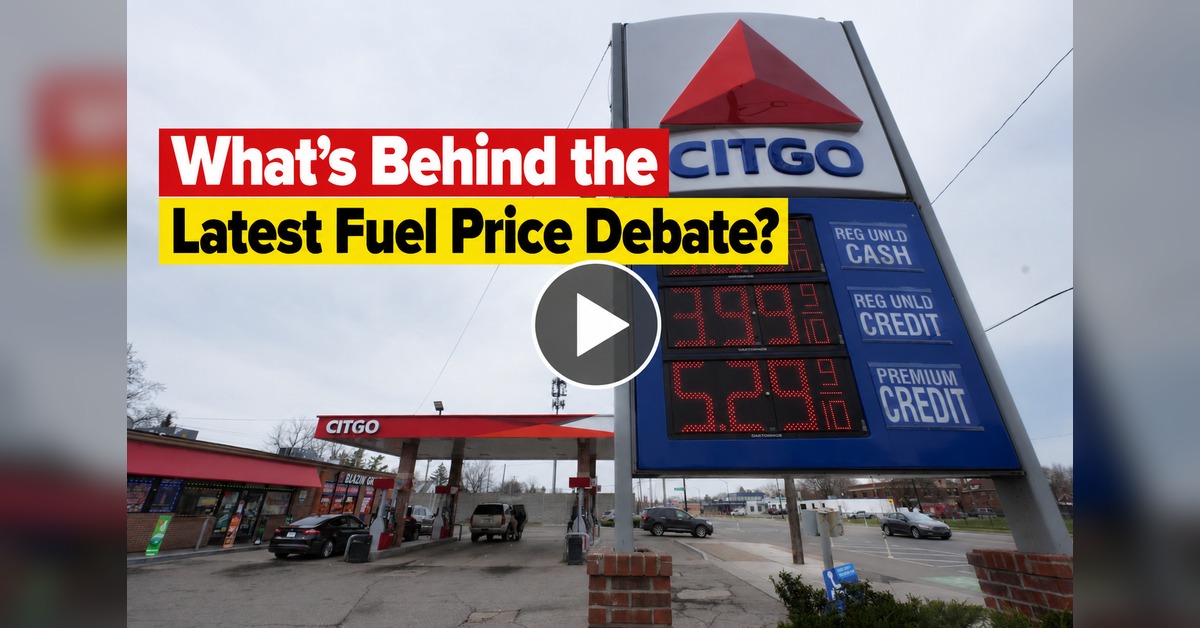
Americans paid more for gasoline this September than in any September on record, and fuel costs have become one of the most contested issues heading into the midterm elections.
How high are prices?
AAA reported that the national average for regular gasoline averaged $4.33 a gallon in September — about 50 cents above the previous September record set in 2023. Prices eased slightly at the start of October, with the national average around $4.41 as crude briefly dipped back toward $90 a barrel. Diesel, which powers trucks, farm equipment and freight, has risen even more steeply over the past year.
What's driving prices
- Crude oil: supply disruptions linked to the conflict with Iran have kept oil near or above $90.
- Refining and supply: U.S. gasoline production and inventories dipped in recent weeks.
- Demand: gasoline demand has softened slightly, which helped prices ease in early October.
- Seasonality: autumn usually brings cheaper winter-blend fuel, but prices have stayed unusually high.
Why it's become a political fight
The administration's plan to import Russian diesel has drawn bipartisan criticism, with opponents arguing it rewards Moscow without meaningfully lowering prices. Supporters of the administration say every available barrel helps farmers and truckers. Other proposals in the debate include releases from strategic reserves, suspending federal fuel taxes, and expanding domestic production — each with supporters and skeptics.
What it means for households
Higher fuel costs ripple beyond the pump into grocery bills, shipping and airfares, which is why gasoline was a major contributor to September's rise in consumer prices. Economists say the most important factor for prices in the months ahead is the path of global crude supply.
Where your gas money goes
The price of a gallon of gasoline is made up of four main parts: the cost of crude oil, refining costs and profits, distribution and marketing, and taxes. Crude oil is usually the largest single piece, which is why prices at the pump track global oil markets so closely.
Taxes at the pump
- The federal tax is 18.4 cents per gallon of gasoline and 24.4 cents per gallon of diesel.
- State taxes and fees vary widely, which is one reason prices differ so much from state to state.
The proposals on the table
- Russian diesel imports — backed by the administration; opposed by a bipartisan group of senators.
- Suspending the federal gas tax — offers quick but small relief; critics say savings may not fully reach drivers and it reduces highway funding.
- Strategic reserve releases — can ease short-term supply but are limited in size.
- More domestic production — supporters say it strengthens supply; others note new output takes time.
Quick answers
Why is diesel rising faster than gasoline?
Diesel supplies are tighter globally, and demand from freight, farming and industry stays high even when prices climb.
Will prices fall this winter?
Prices often ease in colder months, but the biggest factor will be the direction of global crude prices.