What to Watch in the US Economy This Week
Jobs, inflation, interest rates and markets: a quick guide to the signals that matter after a hotter-than-expected inflation report.
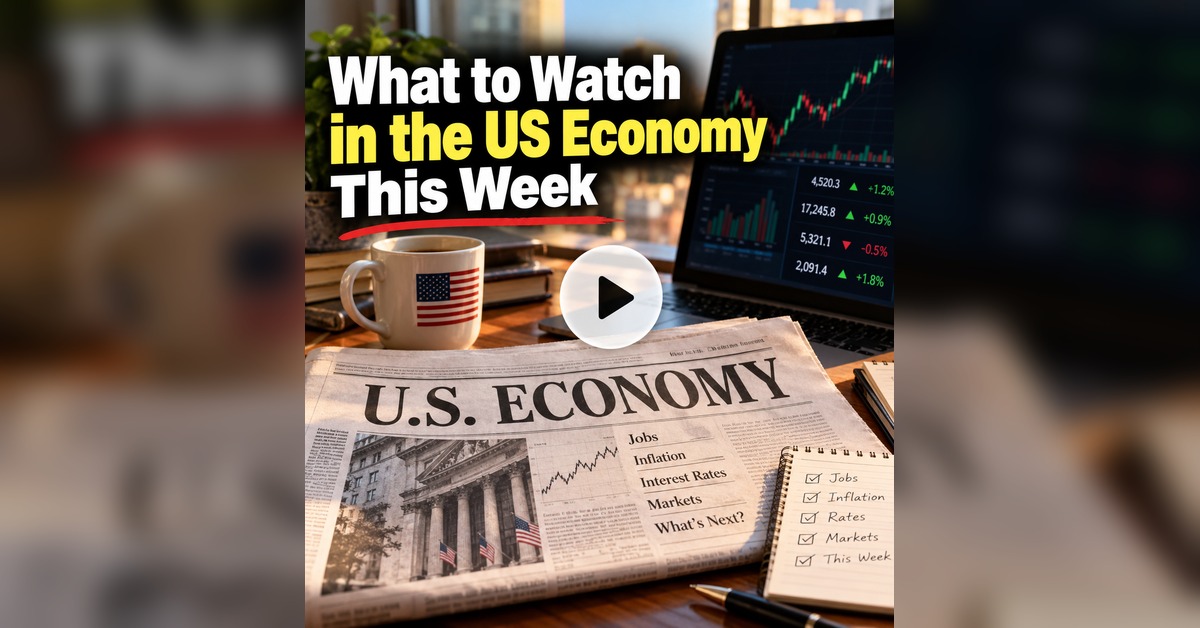
This week's economic calendar is dominated by the fallout from September's inflation report and the question of whether the Federal Reserve will tighten policy again. Here is what to keep an eye on.
1. Inflation
Consumer prices rose 3.7% from a year earlier in September, with core inflation at 2.6%. Gasoline was the biggest driver, but shelter, airfares and used cars also contributed. Economists will be looking at producer prices and import data for signs of whether pressure is broadening.
2. Interest rates
The 10-year Treasury yield climbed above 5.2% after the report, a sign that investors expect rates to stay high — or go higher. Higher yields feed directly into mortgage rates, car loans and business borrowing costs.
3. Jobs
Weekly jobless claims offer the most timely read on the labor market. A steady job market gives the Fed more room to focus on inflation; a sudden weakening would complicate the picture.
4. Markets and earnings
Third-quarter earnings season is underway, with big banks reporting and Netflix due Oct. 20. Technology shares, which have led the market higher, have been under pressure as yields rise.
Your weekly checklist
- ✅ Jobs — weekly claims and any layoff announcements
- ✅ Inflation — follow-up price data after the CPI report
- ✅ Rates — Treasury yields and signals from Fed officials
- ✅ Markets — earnings guidance and oil price moves
What's next for your wallet
Retirees will see a 3.6% Social Security cost-of-living increase in 2027. For borrowers, high long-term yields mean mortgage rates are unlikely to fall soon unless inflation cools.
A quick glossary
- CPI (Consumer Price Index): measures changes in prices paid by consumers.
- PPI (Producer Price Index): tracks prices businesses receive — an early hint of future consumer prices.
- Jobless claims: weekly count of new unemployment applications.
- Treasury yield: the interest rate the government pays to borrow; it influences mortgage and loan rates.
- Basis point: one hundredth of a percentage point (0.01%).
The big picture
The economy is balancing several pressures at once: elevated energy prices, inflation still above the Fed's 2% goal, and enormous business investment in artificial intelligence. How these forces play out will shape interest rates, hiring and markets into 2027.
Quick answers
How do Treasury yields affect my mortgage?
Mortgage rates tend to move with longer-term Treasury yields, so when yields rise, new mortgages usually get more expensive.
What is the 2027 Social Security COLA?
Benefits will rise 3.6% in 2027, the Social Security Administration announced on Oct. 14.