US Diesel Deal With Russia Draws Bipartisan Criticism
Senators from both parties are urging the White House to reverse a plan to import Russian diesel, arguing it will do little for prices while helping fund Russia's war in Ukraine.
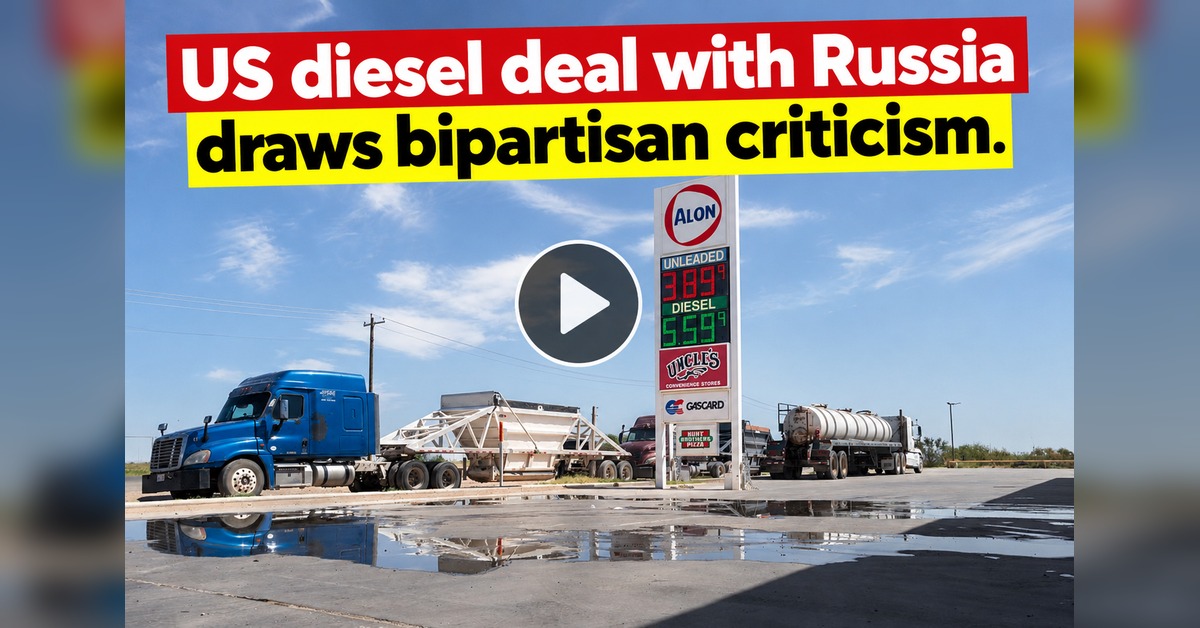
A plan announced by President Trump to bring large volumes of Russian diesel into the United States is facing pushback from lawmakers in both parties, who say it undercuts sanctions without delivering meaningful relief at the pump.
What the deal is
The president said he reached an arrangement with Russian President Vladimir Putin to import Russian diesel, framing it as a way to bring down fuel costs that have weighed on farmers, ranchers and truckers ahead of the November midterms. Reporting by the Washington Post describes it as a temporary rollback of sanctions on Russian diesel.
Energy analysts quoted in coverage of the deal have been skeptical that Russian supply will move U.S. prices much, noting that the recent spike has been driven largely by disruptions linked to the conflict with Iran that began in March.
Key facts
- Twelve senators — six Republicans and six Democrats — signed a letter asking the president to rescind the deal.
- Critics say the effect on fuel prices would be negligible while giving Moscow new revenue.
- Some lawmakers argue the move conflicts with a 2022 law banning Russian energy imports.
- The administration has kept the deal in place and dismissed the criticism.
Why lawmakers object
The senators' letter argues that new revenue would help Russia sustain its war, and that the arrangement could deepen Moscow's ties with China, Iran and North Korea. Rep. Lloyd Doggett of Texas, the lead sponsor of the 2022 import ban, has said the deal violates that law, which allows the ban to be lifted only under strict conditions involving a Russian withdrawal from Ukraine and congressional review.
Several Republicans have also voiced discomfort, including members facing competitive races in farm states where diesel prices are a top concern.
The administration's response
President Trump has defended the plan as a practical step to help American producers and has downplayed Republican objections. He has also blamed Ukrainian President Volodymyr Zelenskyy for high diesel costs, while Kyiv says Russian strikes on Ukrainian energy infrastructure are continuing.
What to watch
The key questions are whether Congress moves to block the deal legislatively, whether more Republicans join the opposition, and whether the first shipments have any visible effect on diesel prices before Election Day.
Background: why Russian energy was banned
After Russia's full-scale invasion of Ukraine in February 2022, the United States moved quickly to cut off imports of Russian oil, gas and coal. Congress then wrote the ban into law in April 2022 with overwhelming support from both parties, as part of a broader effort with allies to reduce the money Moscow earns from energy exports.
Supporters of the ban say it is one of the clearest ways to pressure the Kremlin. That history explains why lawmakers who rarely agree on much have united against the new diesel arrangement.
Why diesel matters so much
Diesel powers most freight trucks, trains, tractors and construction equipment. When diesel prices climb, the cost of moving almost everything — from groceries to building materials — rises too. That is why farm-state lawmakers feel pressure to act, even as many of them object to this particular solution.
Quick answers
Will Russian diesel lower prices at the pump?
Most energy analysts quoted in coverage expect little effect, because the price spike is tied mainly to global supply disruptions rather than a shortage of any one source.
Can Congress block the deal?
Lawmakers could try to pass legislation reinforcing the import ban or limiting the administration's authority, but that would need majorities in both chambers and could face a veto.
What does Ukraine say?
Ukraine's government opposes any easing of sanctions and says Russian attacks on its energy infrastructure are continuing.