Wall Street Weighs Inflation and Rising Oil Prices
Hotter-than-expected inflation data and crude near $95 a barrel sent tech stocks lower and pushed Treasury yields higher as traders weigh another Fed rate move.
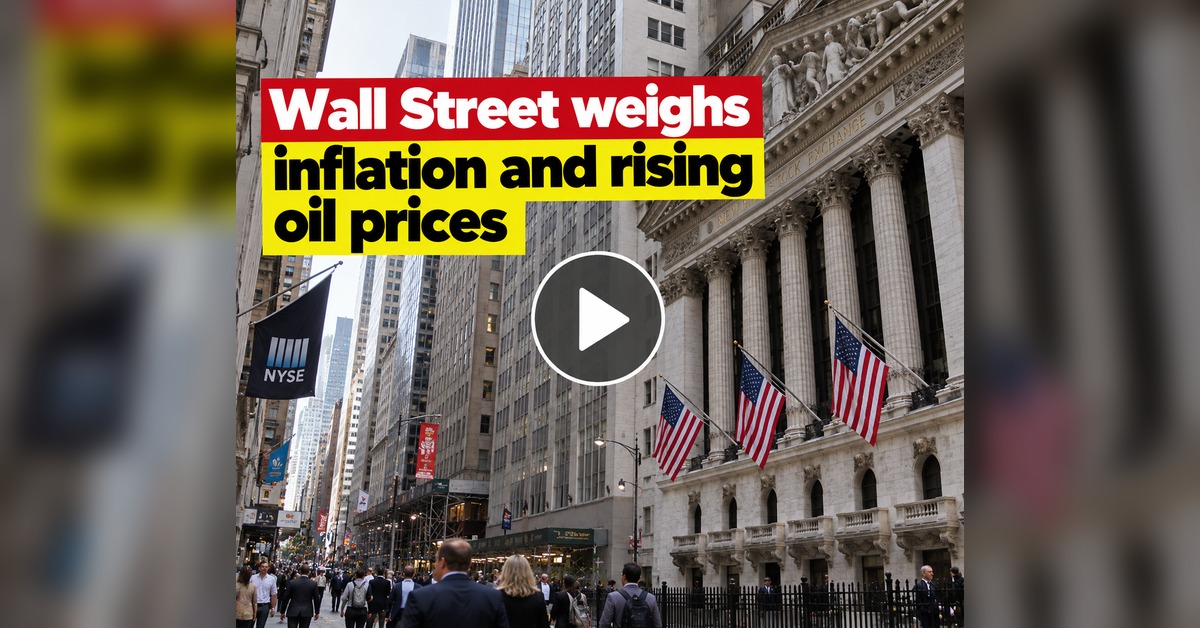
U.S. stocks slipped further from their record highs after September's consumer price report came in hotter than economists expected, adding to pressure from elevated oil prices.
The inflation picture
Headline consumer prices rose 0.6% in September, in line with forecasts, but the annual rate climbed to 3.7%, a tenth of a point above expectations. Core inflation, which strips out food and energy, rose 0.3% on the month and 2.6% from a year earlier — both slightly hotter than forecast. Gasoline drove much of the headline increase, while shelter, airfares and used cars pushed the core figure up.
Market snapshot · Oct. 14 close
- S&P 500: 7,718.94 (−1.11%)
- Nasdaq: 26,692.87 (−1.88%)
- Dow: 51,621.48 (−0.09%)
- 10-year Treasury yield: about 5.28%
- WTI crude: about $95 a barrel; Brent near $108
Where the pressure landed
Technology was the weakest sector, falling about 3%, while defensive groups such as health care and consumer staples gained. Small caps also dropped sharply. Bond yields rose on concern that the Federal Reserve could raise interest rates again, and the market's fear gauge, the VIX, jumped about 10%.
Oil adds another layer
Crude prices firmed after an attack on a Saudi Aramco facility in Dhahran, the latest in a series of supply shocks tied to the conflict with Iran. Higher energy costs feed directly into gasoline and transportation prices, making the Fed's job harder.
What comes next
Investors are watching the Fed's next decision, third-quarter earnings — including Netflix on Oct. 20 — and whether oil stabilizes. Separately, Social Security recipients will see a 3.6% cost-of-living adjustment in 2027, announced the same day as the CPI report.
Explainer: headline vs. core inflation
The Consumer Price Index tracks what households pay for a basket of goods and services. Headline inflation includes everything. Core inflation leaves out food and energy, which swing sharply, to give a clearer view of underlying trends. The Federal Reserve aims for inflation of about 2% over time.
September's report showed headline inflation running well above that target, largely because of fuel costs. The bigger worry for investors was that core prices also beat forecasts, suggesting price pressure is spreading beyond energy.
Why rising yields hit tech stocks
Technology companies are often valued on profits expected far in the future. When bond yields rise, those future profits are worth less in today's money, so tech and other high-growth stocks tend to fall the most. Defensive sectors such as health care and consumer staples often hold up better.
Quick answers
Will the Fed raise rates again?
Traders are weighing that possibility after the hot inflation report. The decision will depend on upcoming data and Fed officials' assessment of the economy.
Why does oil matter so much for inflation?
Oil feeds into gasoline, diesel, airfares and shipping costs, so sustained increases ripple through many prices.
What does this mean for savers?
Higher yields mean better rates on savings accounts, CDs and Treasury bills, but also higher borrowing costs.